You have actually most likely strolled past countless historic buildings and questioned ll 97 compliance solutions how they keep their authentic beauty while fulfilling today's security requirements. When Henson Architecture tackles a restoration job, they don't simply renovate-- they become historical investigatives. Their process begins long before any building and construction starts, with a strategy that's transformed relatively difficult preservation difficulties into award-winning successes. However below's what many people don't recognize regarding their method.The Research-First Strategy to Historical Accuracy Just how do you make certain that a restored historic building preserves its authentic character while satisfying modern-day security criteria? The answer lies in detailed research before any type of restoration begins.You'll need to dive deep into historical documents, original blueprints, and architectural documentation to recognize the building's original design intent. This research-first approach overviews every decision in historic building restoration, from choosing period-appropriate materials to determining appropriate reconstruction techniques.Historic preservation needs you research the structure's advancement in time, recognizing which aspects are original versus later additions.You'll analyze product structure, building approaches, and architectural details to keep credibility. This structure makes it possible for adaptive reuse while appreciating the structure's heritage.Following best practices for executing restoration projects guarantees you're preserving the structure's heritage as opposed to creating a modern analysis best architecture companies of history.Balancing Modern Building Codes With Duration Credibility While historic preservation prioritizes authenticity, you can't
ignore the reality that restored buildings need to follow current security regulations.Historic building restoration calls for imaginative options that satisfy both preservation criteria and contemporary codes.
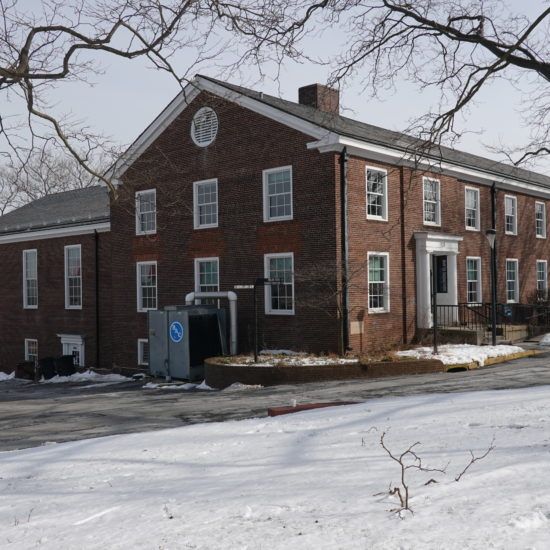
You'll need to strategically integrate contemporary systems-- like fire suppression, access features, and structural reinforcements-- while keeping the building's architectural heritage.When restoring a historic building, you can't merely replace original building materials with contemporary alternatives.Instead, you'll use adaptive reuse approaches that preserve character-defining components while meeting safety requirements. This rehabilitation strategy sustains smart growth initiatives by prolonging structure life-spans as opposed to knocking down structures.The vital hinge on unnoticeable integration-- installing modern-day systems behind original frontages and utilizing compatible renovation strategies that appreciate the framework's authenticity while ensuring occupant safety and regulative compliance. Sourcing Original Materials and Traditional Workmanship Strategies Past integrating modern-day systems, authentic restoration depends on your capability to situate period-appropriate materials and craftspeople who understand historical construction methods.Historic building restoration requires sourcing original materials like redeemed hardwood, hand-crafted blocks, and traditional lime mortars that match the framework's age. You'll need knowledgeable artisans who have actually mastered traditional craftsmanship techniques-- from stone carving to plaster application methods used centuries ago.This technique to preserving cultural heritage ensures your historic renovation maintains architectural authenticity.Expert masons knowledgeable in restoration techniques can repair scrubby stonework utilizing period-appropriate approaches. You're not simply maintaining buildings; you're preserving cultural heritage for future generations.Authentic restoration also supports sustainability by reusing existing materials and frameworks, decreasing waste while keeping the structure's historical stability and personality. Collaborative Collaborations With Chroniclers and Preservation Specialists Since historic building restoration includes intricate social and architectural considerations, you'll need to develop solid collaborations with historians and preservation specialists who can assist your task's authenticity.These cooperation relationships confirm essential for comprehending the structure's heritage relevance and original building and construction practices.Preservation specialists bring technological proficiency concerning period-appropriate materials and methods, while historians offer essential context about the structure's cultural relevance and historical timeline.Together, they'll assist you browse regulative needs and guarantee your restoration projects satisfy preservation standards.You'll find that working
carefully with these experts stops costly mistakes and preserves the building's integrity.Their guidance ensures your architectural choices recognize the structure's legacy while satisfying modern safety needs, producing successful results that please both preservation boards and building residents. Study: Effective Restorations

Throughout Various Architectural Periods The know-how gained via joint collaborations becomes evident when analyzing real-world restoration projects that have efficiently maintained buildings from various architectural
periods.When you're renovating and restoring a Victorian-era courthouse, you'll locate that historic restoration and preservation needs thorough attention to original craftsmanship techniques. Each job serves as restoration the essential guide for future undertakings, showing how conservation principles apply throughout various architectural styles.You'll uncover that costs considerations restoring historic buildings differ dramatically between Georgian condominiums and Art Deco theaters.These projects prove it is necessary to keep authentic materials and approaches while incorporating modern security systems. Via historic building restoration study, you can see just how successful architecture preservation equilibriums heritage protection with modern capability, making certain each structure's legacy remains undamaged for future generations.Conclusion You've seen exactly how Henson Architecture's technique transforms historic preservation through thorough study, professional collaboration, and authentic product sourcing. By prioritizing historical precision while satisfying modern-day criteria, you're witnessing a blueprint for successful restoration that doesn't sacrifice a building's heart for functionality. When you select this research-first approach, you're not simply restoring structures-- you're preserving cultural narratives and architectural heritage for future generations
to experience and value.